Separate songs, recordings and release permissions
Organize the distinct rights and evidence questions without promising that a general article can clear a specific use.
The work is the musical blueprint
A composition is the underlying musical work: the elements created by its writers, which may include melody, harmony, rhythm, and lyrics. Its title and contributor information describe the work itself. The composition can exist before anyone records it, and it can be performed in different ways.
Imagine three writers complete “Glass Harbor” on guitar and voice. That shared song remains the same composition when another singer changes the key or a metal band rearranges the tempo, unless the collaborators establish that the later material constitutes a distinct work.
A recording captures a particular performance
A recording is a particular recorded performance or production of music. It has its own title, performers, production credits, audio file, and version history. The recording may embody a composition, but it is not the composition itself. A new take, live capture, remix, or instrumental version can create another recording associated with the same work.
For instance, the writers’ demo of “Glass Harbor” and the band’s studio master are two recordings. They may share a work title and writer list while having different performers, engineers, dates, and recording identifiers.
Track the relationship explicitly
In a catalog or release sheet, create one work entry and link each recording entry to it. Keep fields for work title and writers separate from recording title, performers, production team, and release track. If the recording has a subtitle such as “Live at the Foundry,” preserve it without treating that phrase as a new composition title by default.
This structure helps when an album includes an acoustic version and a full-band version. Both can point to the same work record, while each recording retains its own file, credits, and release details. If a new arrangement includes substantial new writing or the contributors disagree about the relationship, document the question rather than deciding it by filename.
Use the distinction in everyday decisions
When checking a credit, first ask what the claim concerns. A songwriter credit refers to the composition; a drummer credit usually refers to a recorded performance. When replacing a master with a corrected mix, the recording details may change even though the underlying work and its writers do not. When retitling a song, update the work record and then check every linked recording and release entry for consistency.
This simple separation makes a catalog easier to maintain: one work can connect to many recordings, and each recording can carry the details of the performance people actually hear.
Keep platform access distinct from ownership
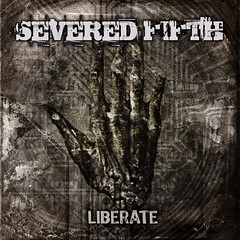
Record who created or supplied the artwork and identify the specific asset covered by the permission. Include a filename, version, or dated preview, and preserve the final delivered file. If the package includes a front cover, back image, social graphic, or alternate crop, make clear which items the permission addresses.
For example, a band may receive a square cover and a wide banner from the same artist. A note that refers only to “the artwork” can leave uncertainty about whether both versions are included.
Keep the written terms as received, along with the date and the people involved. The record should make the permitted uses understandable, such as the release or promotion it covers, any time or territory limits, and any required attribution. Do not assume that paying for a design automatically answers every question about later uses.
If the permission is in an email thread, preserve the complete relevant exchange rather than a cropped sentence. If the terms are unclear about an expanded use, ask the creator to clarify and save that answer with the original record.
When the creator approves a proof, keep a copy of the approved preview and link it to the final asset filename. If edits are made after approval, note what changed and confirm whether the existing approval covers the revision. A replacement image with a different crop or added lettering may not be the same approved version for recordkeeping purposes.
A simple artwork log can list asset name, version, creator, approval date, permitted uses, and source-document location. This makes it possible to check which file was authorized without relying on memory.
Store the permission and final files in the release archive, with access for the people handling distribution and promotion. Keep a backup and avoid scattering the only copy through personal inboxes. If a question arises later, the band should be able to identify the creator, the terms, and the file they approved.
For complex ownership, licensing, or reuse questions, consult a qualified professional. For ordinary release preparation, a careful written record and version link give the team a practical basis for checking what it may use.
Record contributor agreements and unresolved shares
Worked example — made for this guide
Fictional song Glass Harbor is one work; a studio recording and a later live capture are separate recording records. A platform login belongs in an access record, while an artwork license belongs with the exact asset and agreed uses. A source log documents permission status; it does not grant clearance.
Sources and the limits of this exercise
The references below support the named research method, instrument explanation or release process. The worked exercise in this guide is our own example; it is not a quotation, a recovered interview, a real concert observation or an analysis of an unidentified recording. [1]